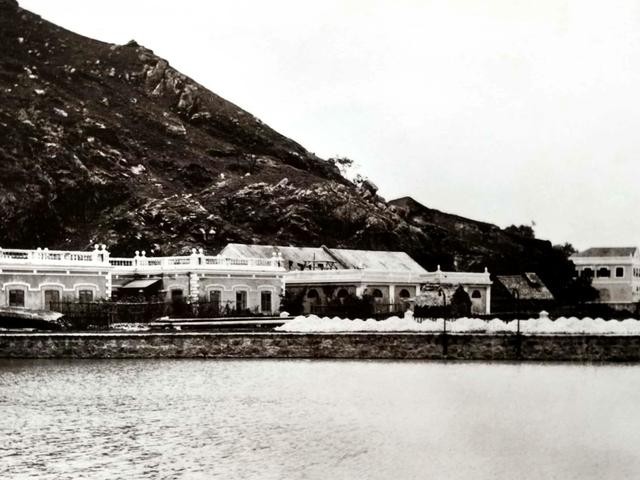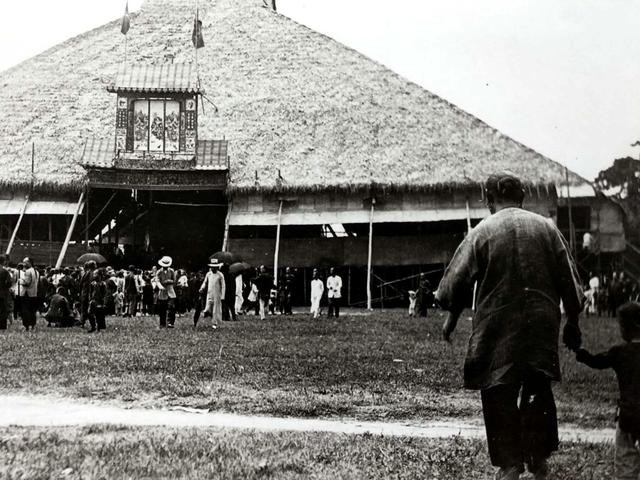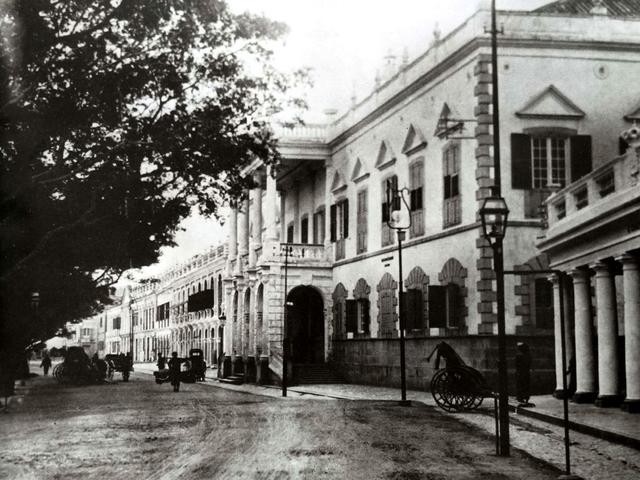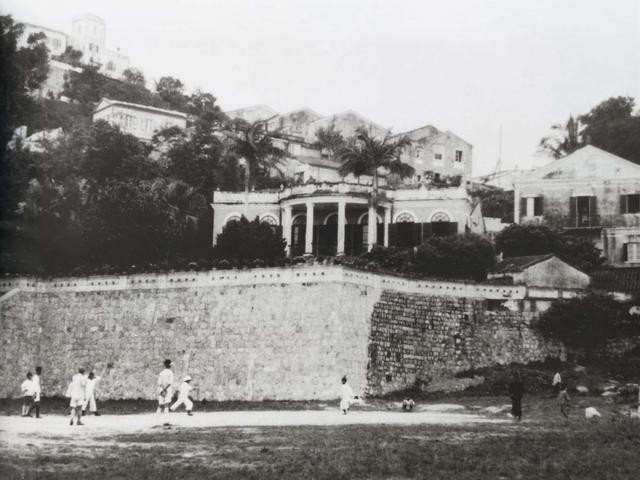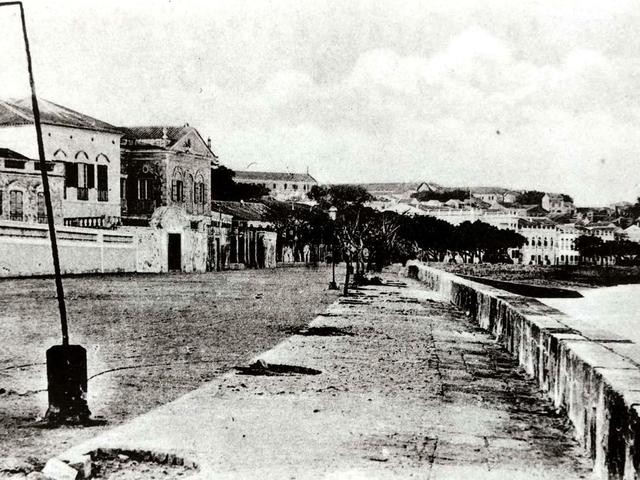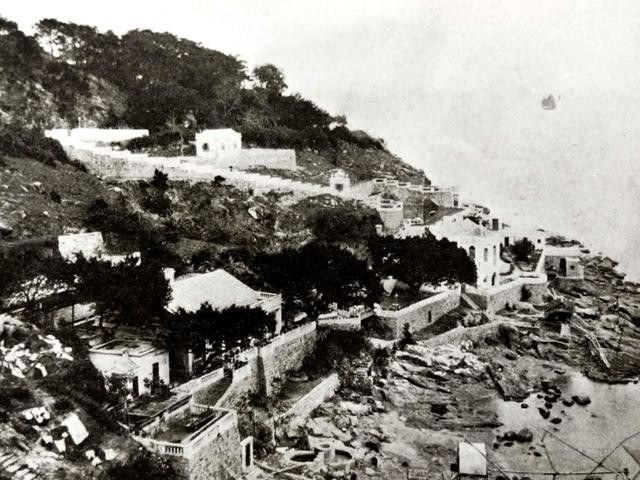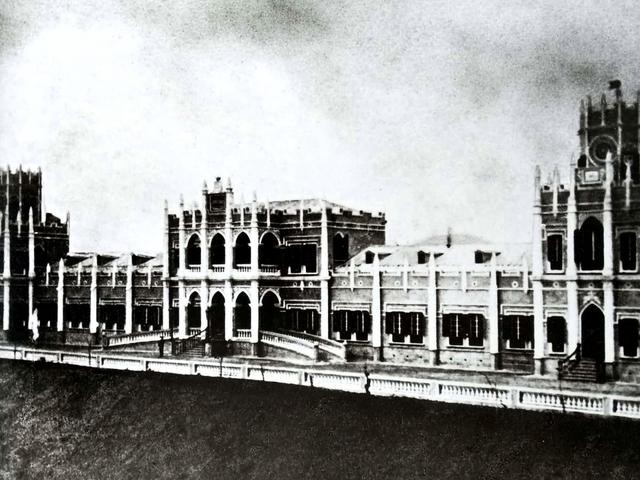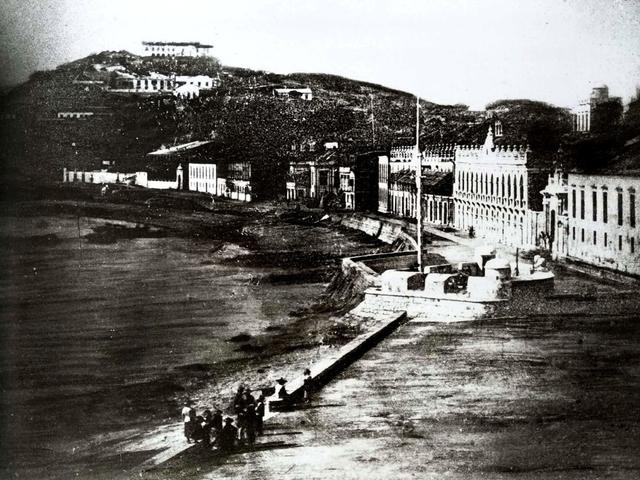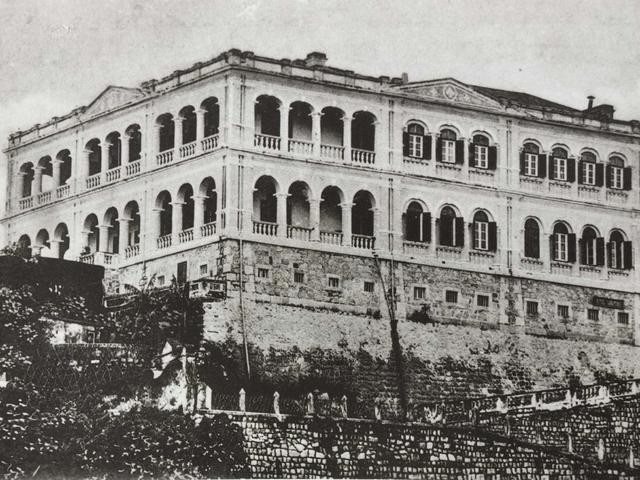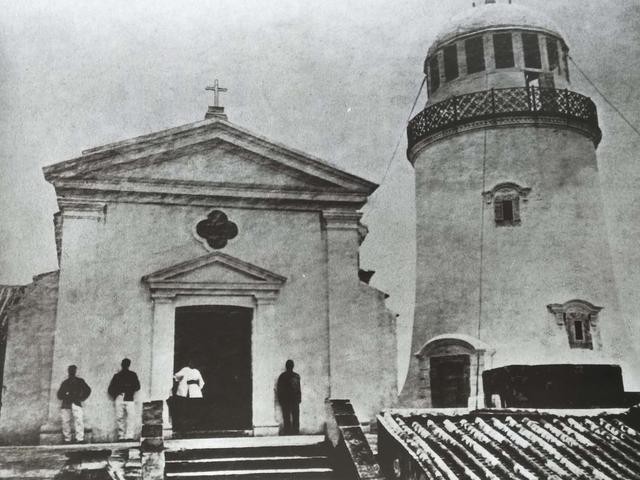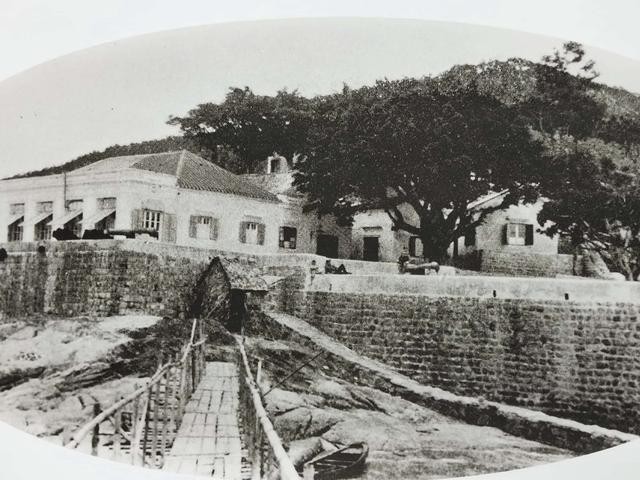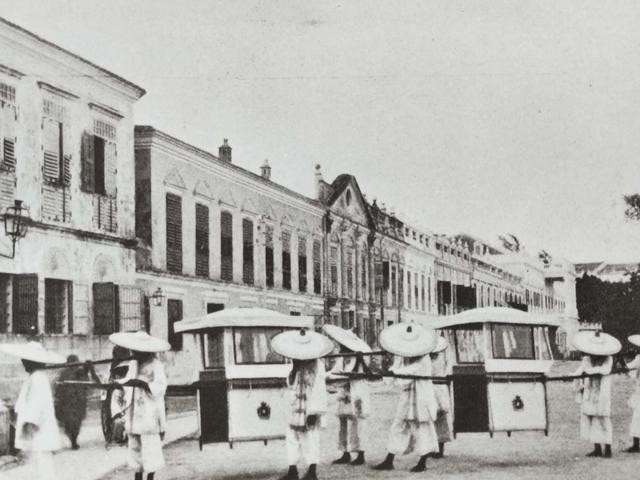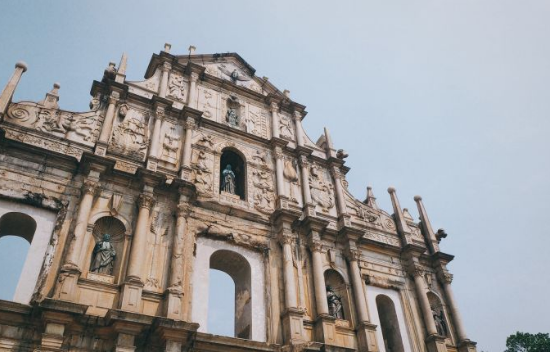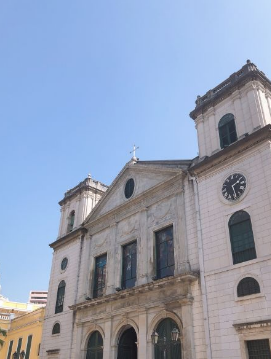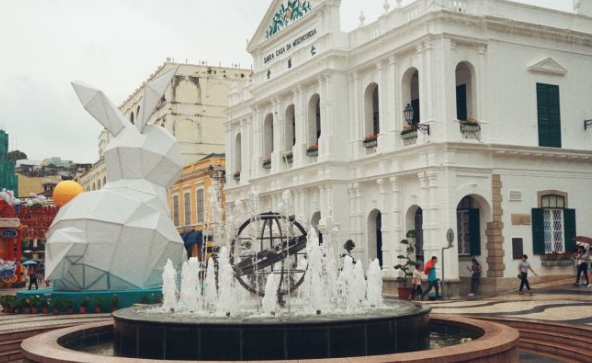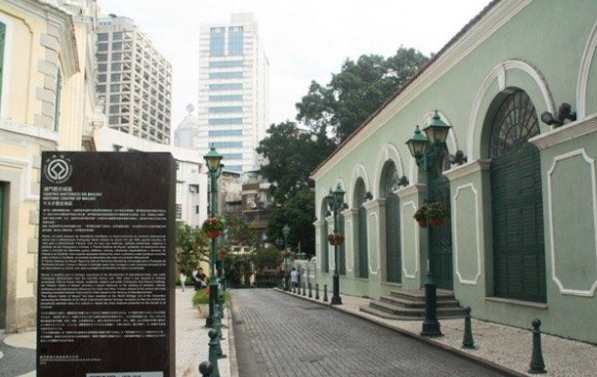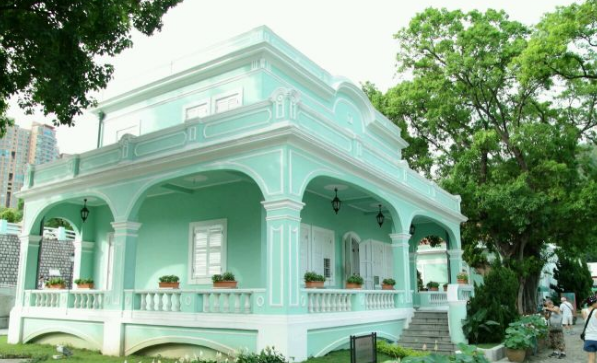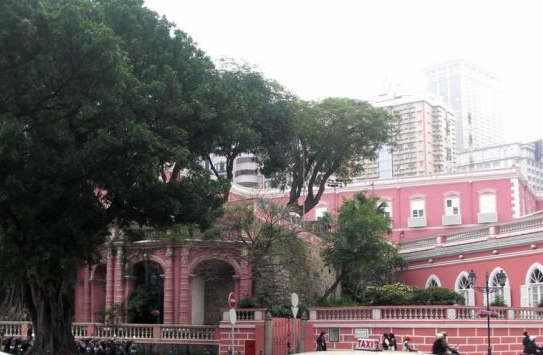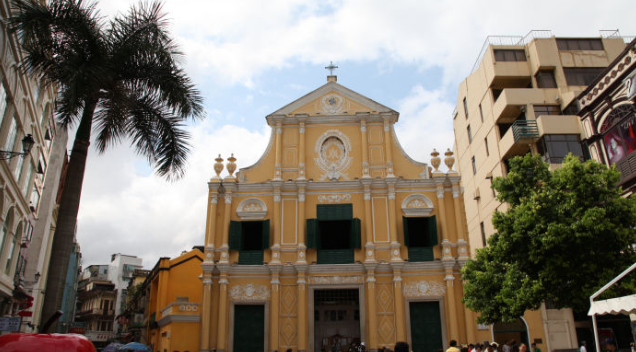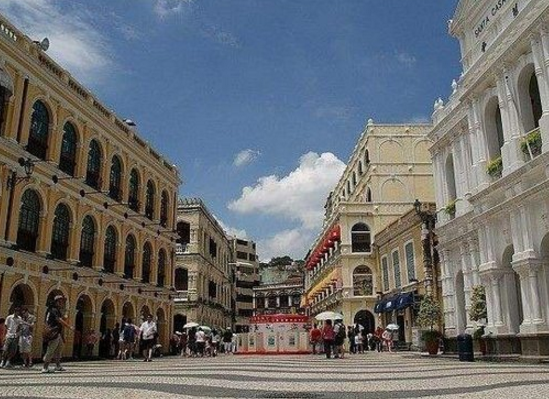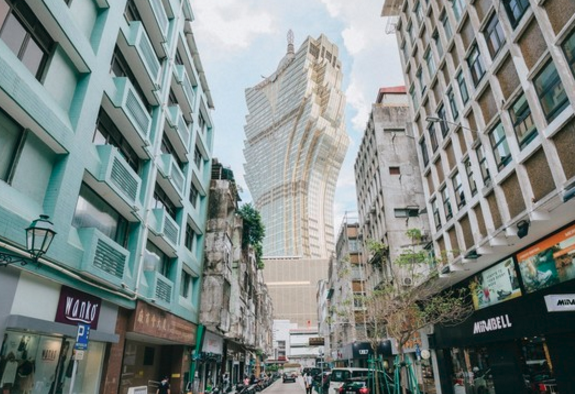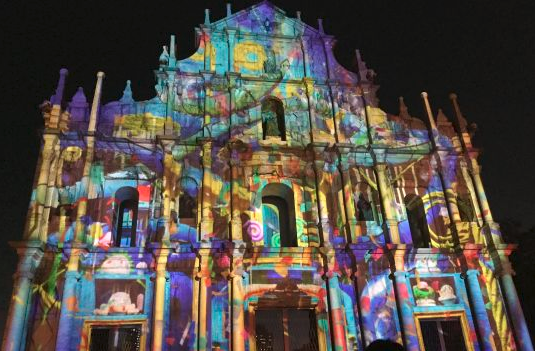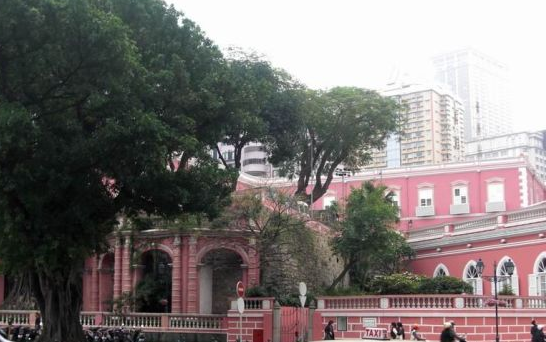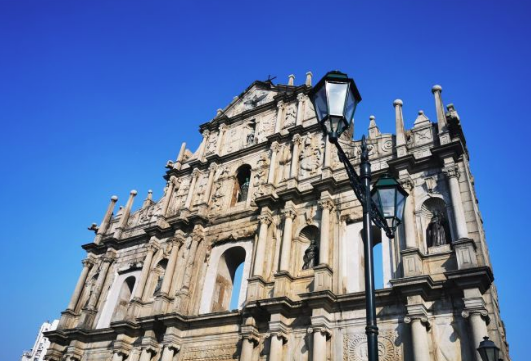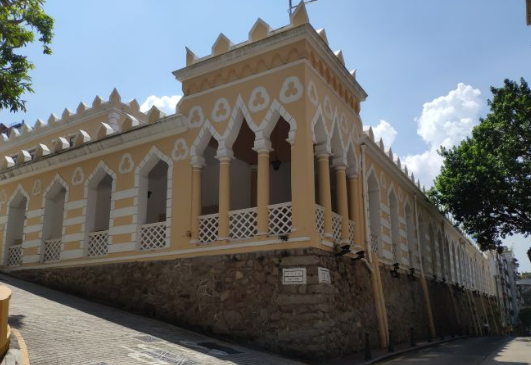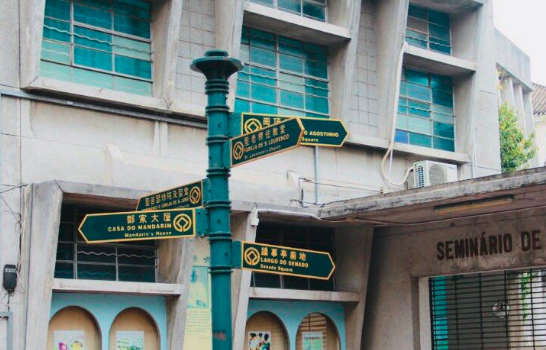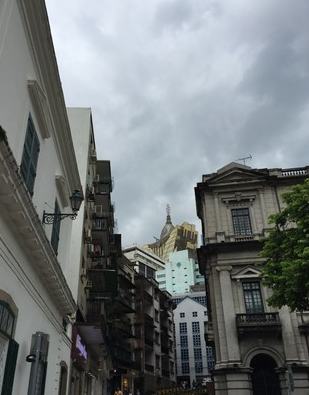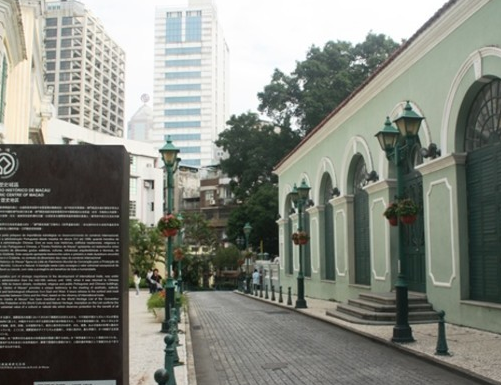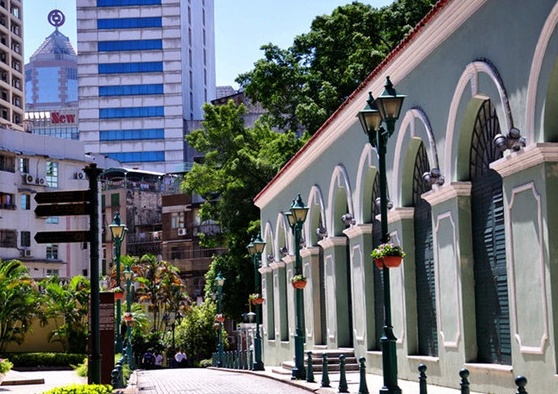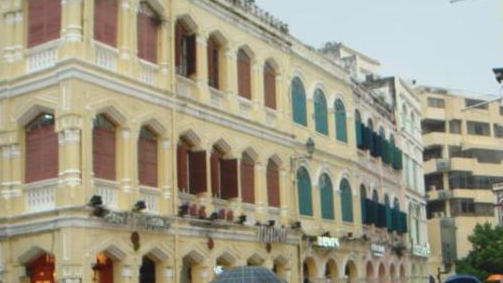
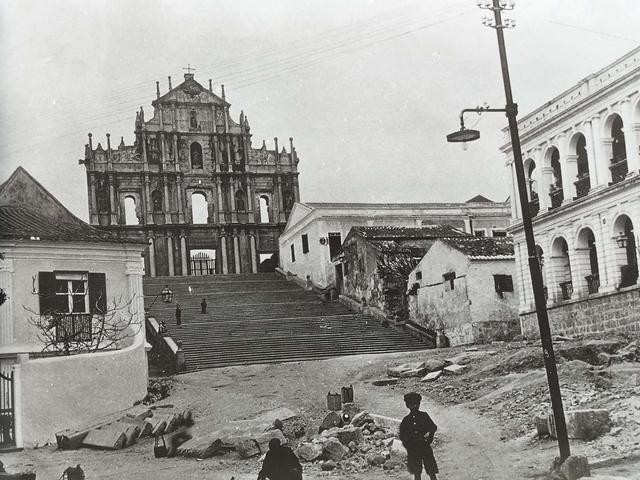


澳門世界遺產中的歷史城區是一片以澳門舊城區為核心的歷史街區,包括20多座歷史建築,並由相鄰的廣場和街道連接而成,於2005年獲列入世界文化遺產名錄123.
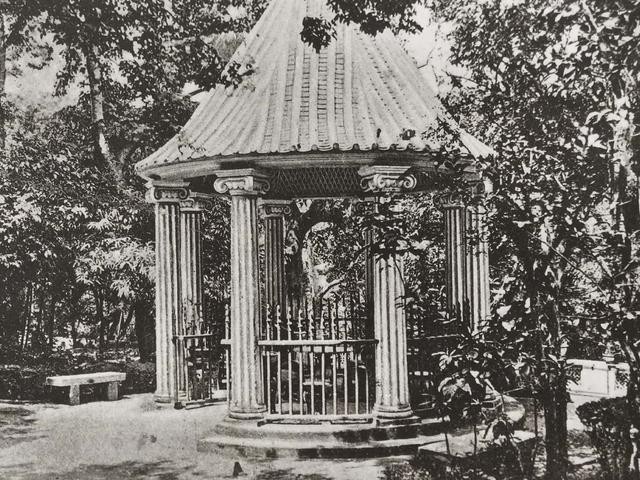
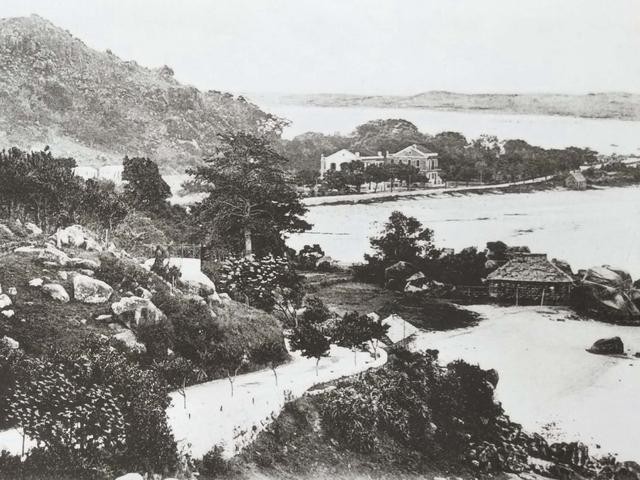
這個區域是中國境內現存最古老、規模最大、保存最完整和最集中的東西方風格共存建築群。它包括了中國最古老的教堂遺址和修道院、最古老的基督教墳場、最古老的西式炮台建築群、第一座西式劇院、第一座現代化燈塔和第一所西式大學等。這個歷史城區見證了澳門四百多年來中華文化與西方文化互相交流、多元共存的歷史。正因為中西文化共融的緣故,城區當中的大部分建築都具有中西合璧的特色。至今,這些建築大部分仍完好地保存或保持著原有的功能。
澳門歷史城區的評價是“見證了西方宗教文化在中國以至遠東地區的發展,也見證了向西方傳播民間宗教的歷史淵源”、是中國現存最古老的西式建築遺產,是東西方建築藝術的綜合體現。
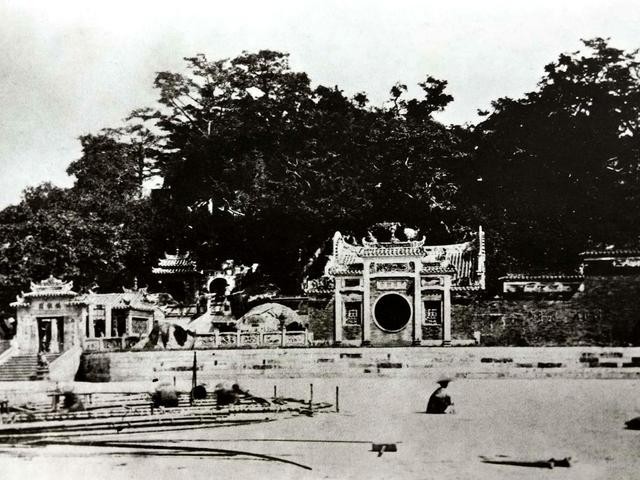
自有史記載以來,澳門至少已有5000多年的歷史。澳門的名字源於漁民非常敬仰的一位中國女神:媽祖。當葡國人抵澳時,向當地人打聽地名,居民以為其問附近供奉娘媽的媽閣廟宇,於是回答“媽閣”。廣東話“閣”與“交”的發音相似,葡萄牙人就听成“馬交”了,以其音譯成“MACAU”。自十六世紀葡萄牙人抵達澳門以來,澳門便成為東方其中一個重要的港口,是溝通東西方文明的門徑、西方與華人交流的窗戶,為東西方文化的交流及共存提供了重要的平台,而這種交流及共存亦塑造澳門本身獨特的個性,以及豐富多元的歷史文化。
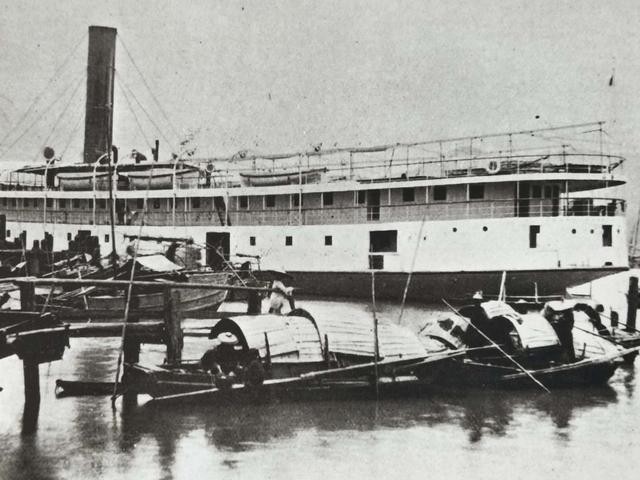
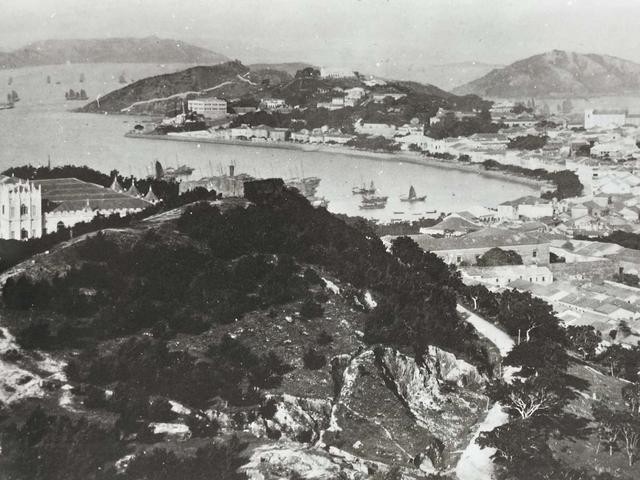
在葡萄牙人抵達澳門之前,已有華人漁民和農民在這裡生活。南宋末年,宋元兩軍曾在澳門附近的水域展開水戰。自1557年起,葡萄牙人便逐步在澳門定居,使澳門成為一個有規模的商業城市。澳門是歐洲在中國最早的據點,亦是中國、歐洲和日本之間重要的貿易中轉站,為葡萄牙人帶來了極大的商業和戰略價值。
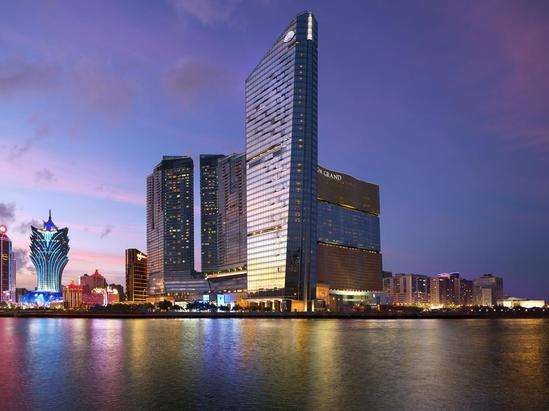
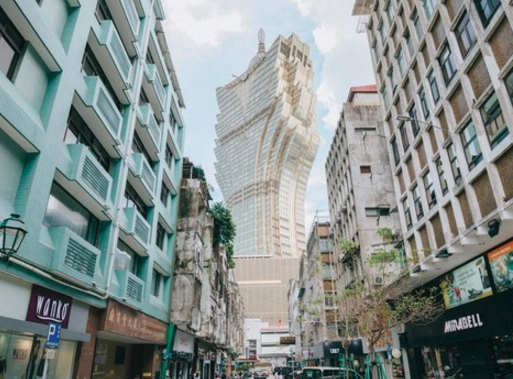
澳門開埠以來,澳門的重要性不斷提高,歐洲列強荷蘭和英國等也曾試圖佔領澳門。澳門的發展在十六世紀和十七世紀初達到了顛峰。到了十九世紀,由於鄰近的香港被英國占據及開通,澳門在國際貿易上的地位便開始被香港取代并快速下滑。 1865年,澳門建成南中國海岸的第一座燈塔東望洋燈塔。 1887年,清政府與葡萄牙王國在北京簽署了《中葡和好通商條約》,官方認可了葡萄牙永久佔領澳門的主權。 1999年,澳門主權移交至中華人民共和國,澳門特別行政區成立,賭權開放引入大量外地資金建設成今天的旅遊博彩城市澳門。
Since its inception, Macao has had at least 5,000 years of history. Called "A Ma Gao" by the Chinese (in honor of the patron goddess of sailors, A-Ma), its name was adapted to "Macau" by the Portuguese. Since the arrival of the Portuguese in Macao in the 16th century, Macao has become one of the important ports in the East. It is the gateway to the communication between the East and the West and the window between the West and the Chinese. It provides an important platform for the exchange and coexistence of Eastern and Western cultures. This kind of communication and coexistence also shapes Macao's own unique personality and rich and diverse history and culture.
In addition to international trade, Macau became an outpost for western religions. Francis Xavier successfully converted large numbers of Japanese and Chinese to Christianity and used Macau as a base of operations. In the 1500s and 1600s many churches were built, including an ambitious Christian college. Today in Macau this religious legacy can be seen in the array of well-preserved churches.
the importance of Macao has continued to increase. The European powers, the Netherlands and the United Kingdom, have also tried to occupy Macao. The development of Macao reached its peak in the sixteenth and early seventeenth centuries. In 1865, Macau built the Guia Lighthouse, the first lighthouse on the South China coast. Macau's age of prosperity ended in the 1800s, when the Dutch and British gained control of most trading routes to East Asia. After the British victory over China in the 1814 Opium War, the huge, deep-water port of Hong Kong was established, and Macau was relegated to a quiet, sleepy port town. Macau did, however, remain important to Chinese refugees during both World Wars and the Cultural Revolution. With the widespread introduction of legalized gambling in the 1960s, Macau became a freewheeling place, where gambling, espionage, and crime reigned in the long shadow of modern, wealthy Hong Kong.
In 1999, the sovereignty of Macao was transferred to the People's Republic of China, and the Macao Special Administrative Region was established. Today textile, furniture, electronics, and other exports join a world-class tourism industry in making Macau prosperous.